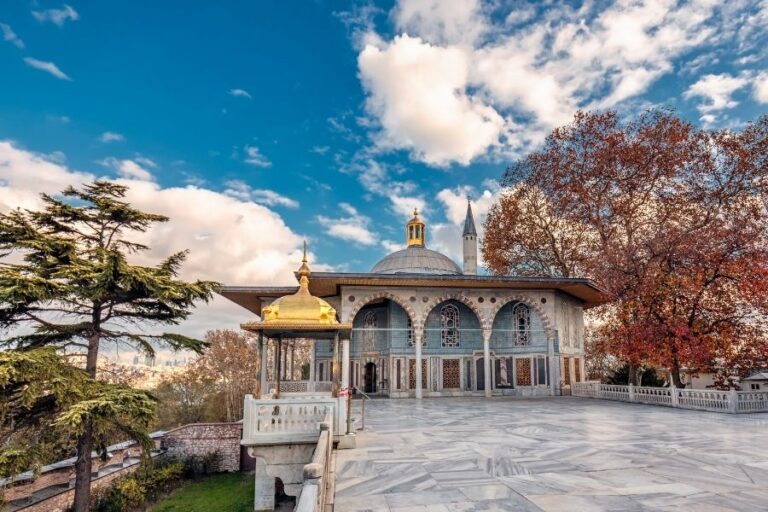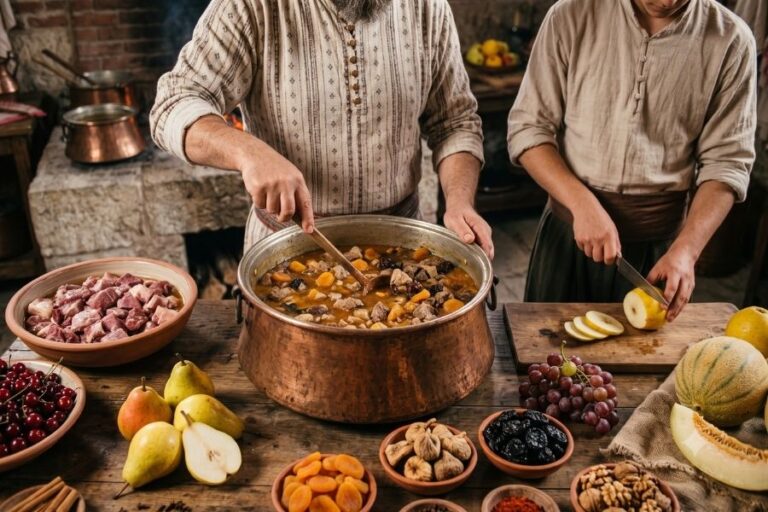


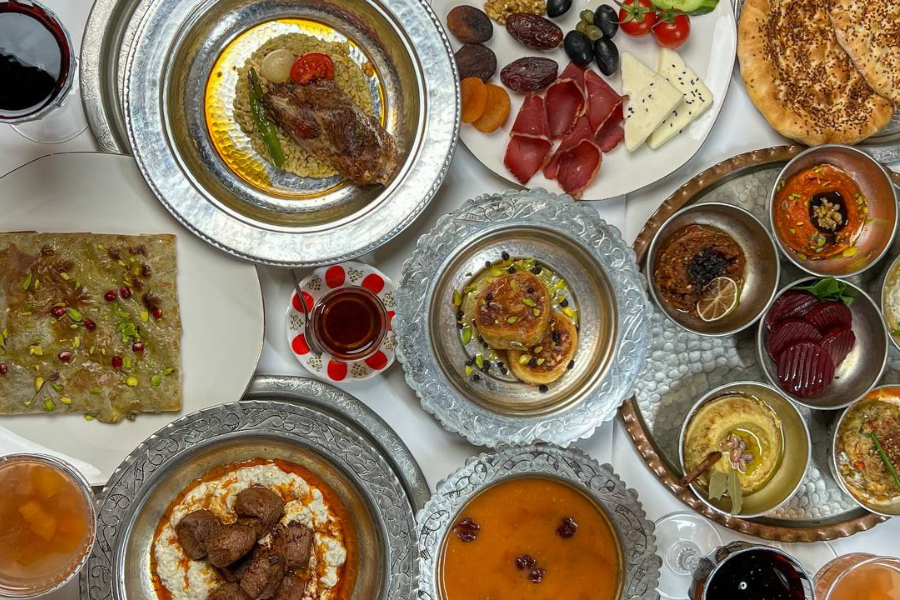
In the Ottoman Empire, Ramadan was not merely a period of fasting; it was a sacred time that most intensely embodied a civilisation’s moral understanding, aesthetic sensibility, and culture of sharing. Spanning from the palace to the streets, from mansions to mosques, this month was regarded as the month of tranquillity, elegance, and abundance in Ottoman society. Ramadan was a period when tables were set not only with food, but also with prayer, decorum and moderation.
In the Ottoman Ramadan tradition, food never meant merely filling the stomach. The table was a symbol of patience, gratitude and sharing. This understanding was reflected in every area, from the kitchen to architecture, from social life to art.
Read This: Deraliye Restaurant in Sultanahmet 2026 Ramadan Iftar Experience
From the Drummer to the Mahya: The Sound and Light of Ramadan
In Ottoman Istanbul, the month of Ramadan began with the chants of drummers roaming the streets at night. Echoing as the time for suhoor approached, these sounds were not only to wake people up but also to remind them of the spirit of Ramadan. The drummer’s voice was an integral part of neighbourhood culture.
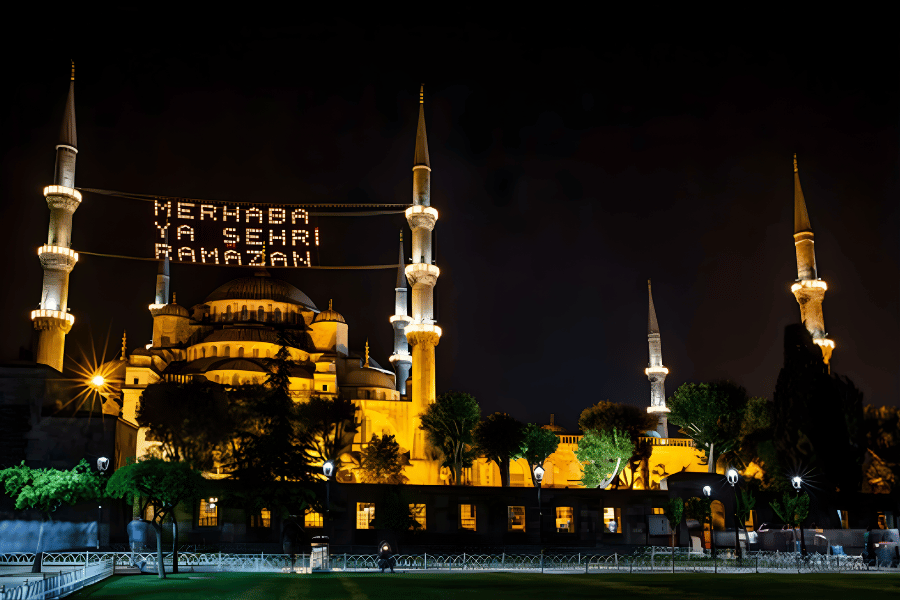
Another symbol of Ramadan nights was the mahya inscriptions stretched between minarets. Messages such as“Welcome, O Month of Ramadan”were not merely aesthetic decorations; they were a spiritual invitation to the public. Under these lights, people prepared for iftar, and as the time approached, silence reigned in the homes. The prayers recited with the cannon shot were among the most sacred moments of Ottoman Ramadans.
Iftar Tables: Moderation, Not Extravagance
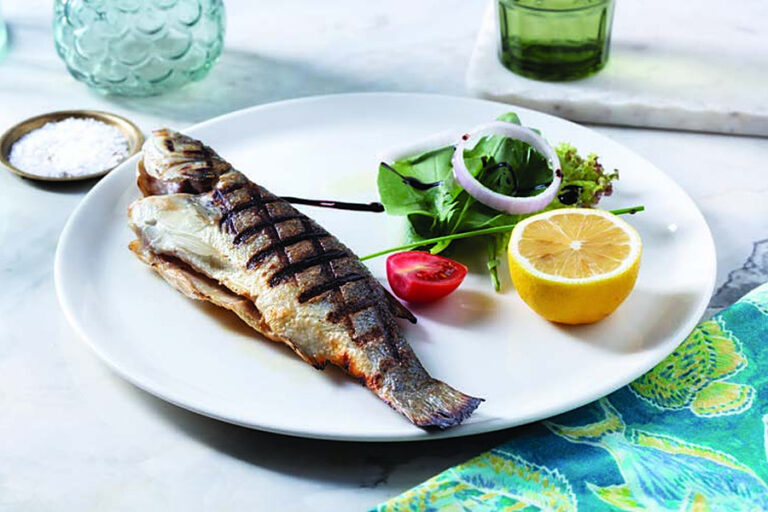
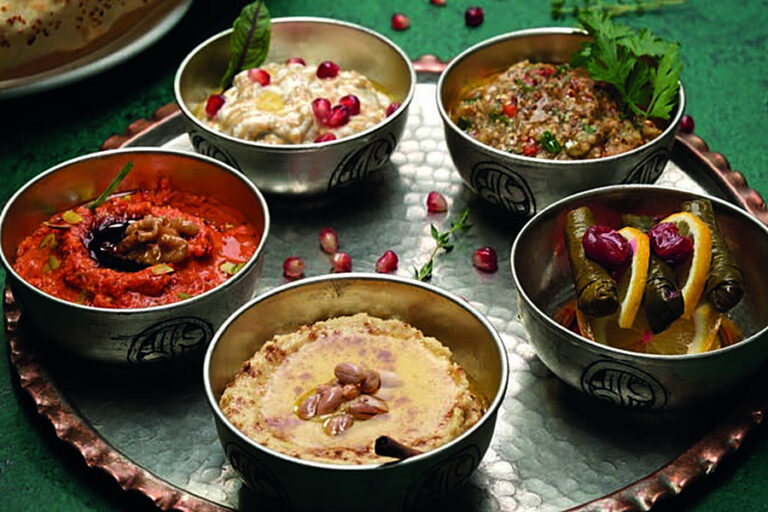
Ramadan tables in the Ottoman kitchen were elegant, but never wasteful. The tables were opened with prayer, and the meals were served in a specific order and balance. The aim was not to fill the stomach, but to nourish both body and soul.
A traditional Ottoman iftar table usually followed this order:
- Dates or olives
- Honey, clotted cream, and compote
- Soup (especially tarhana or tutmaç)
- Main courses (lamb stew, mutancana, palace pilafs)
This order was indicative of a table etiquette that had been preserved for centuries. In the Ottoman Ramadan cuisine, measure and balance were as important as flavour.
From the Palace to the People: The Bounty of the Same Pot
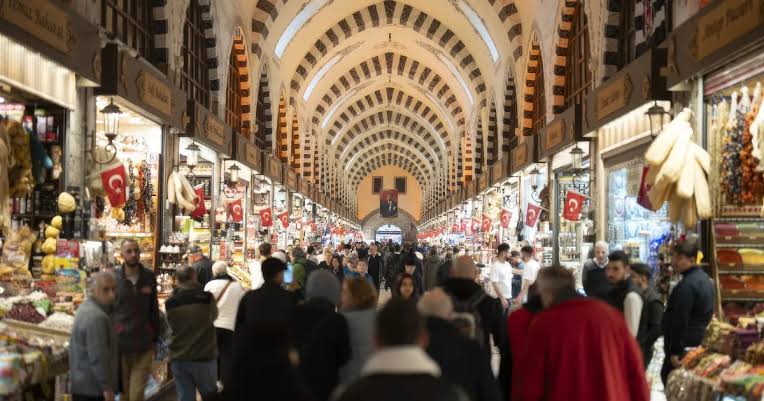
In the Ottoman Empire, the month of Ramadan was a period when social justice and solidarity were felt most strongly. The imarethanes were open to everyone; no distinction was made between rich and poor. There was no difference in taste between the dishes cooked in the palace kitchen and those eaten by the people, only a difference in presentation.
This understanding demonstrated that the kitchen was not a display of power, but a unifying element. Ramadan was not only a month of individual worship in Ottoman society, but also a time when social conscience was kept alive.
Ramadan Celebrations: Joy That Never Lost Its Spirit
In the Ottoman Empire, Ramadan nights were not only spent in worship but also in joy that did not exceed the bounds of propriety. After the Tarawih prayer, Karagöz and Hacivat shadow puppet shows, meddah storytelling, and musical performances were organised.
These entertainments brought people together but were presented in a way that did not undermine the spirit of Ramadan. There was joy, but it was measured. There was entertainment, but it was profound.
Where Does That Spirit Live Today?
Although it is difficult to experience the Ramadan tradition of the Ottoman Empire exactly as it was today, there are still tables that strive to keep that spirit alive. It is precisely at this point that the refined Ramadan understanding of the past is being revived today.
Deraliye Restaurant presents Ramadan not merely as an iftar meal but as a table connected to history, drawing inspiration from Ottoman palace cuisine.
Every dish served here:
- From a palace ledger
- A head chef’s note
- A centuries-old culinary tradition
Coming to Deraliye during Ramadan is not just about visiting a restaurant; it is about being a guest at the Ottoman Ramadan table.
Tasting the Ottoman Ramadan Table Today
For those who wish to experience Ramadan not only on the calendar but also at the table, this tradition is still alive today. For those who wish to learn by tasting rather than reading history, Ottoman cuisine reminds us of the meaning of the month of Ramadan.
In the Ottoman Empire, Ramadan was the month of patience, sharing and elegance. Tables were set not for show but for gratitude. For those who wish to experience this spirit today, the destination is clear.
In 2026, Ramadan invites those who wish to not merely remember the past but to relive it at the table to Deraliye Restaurant.