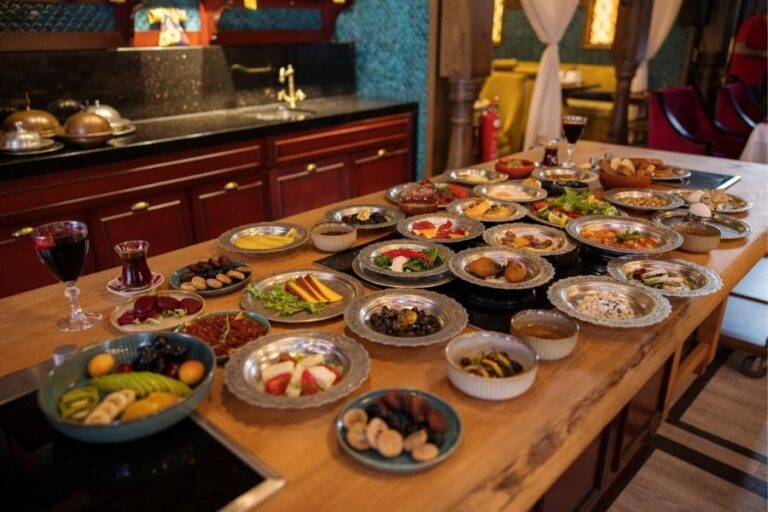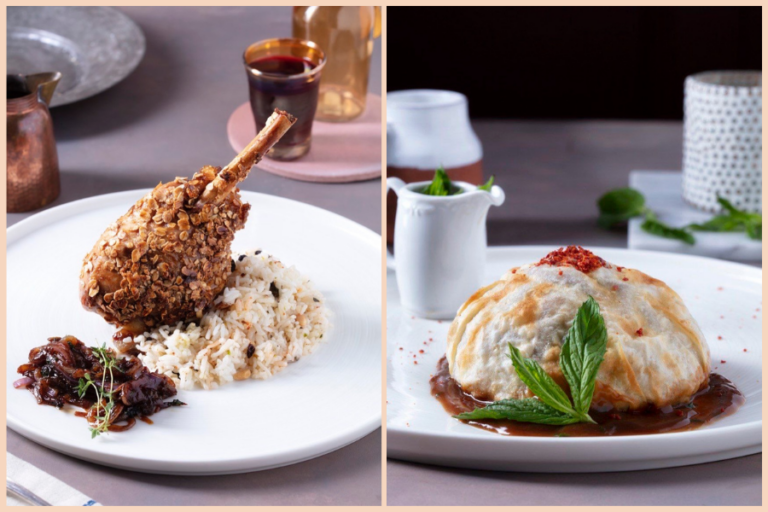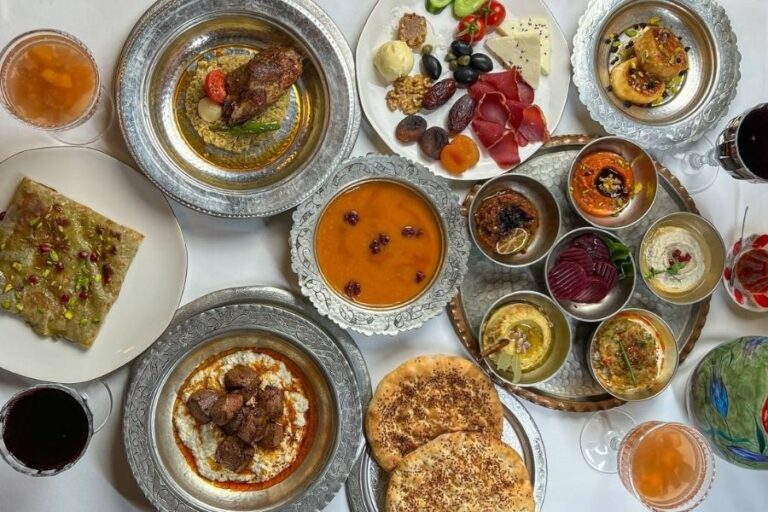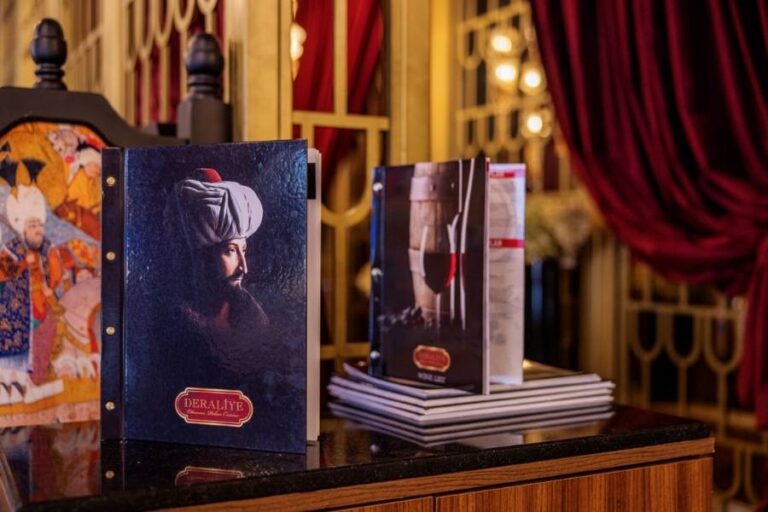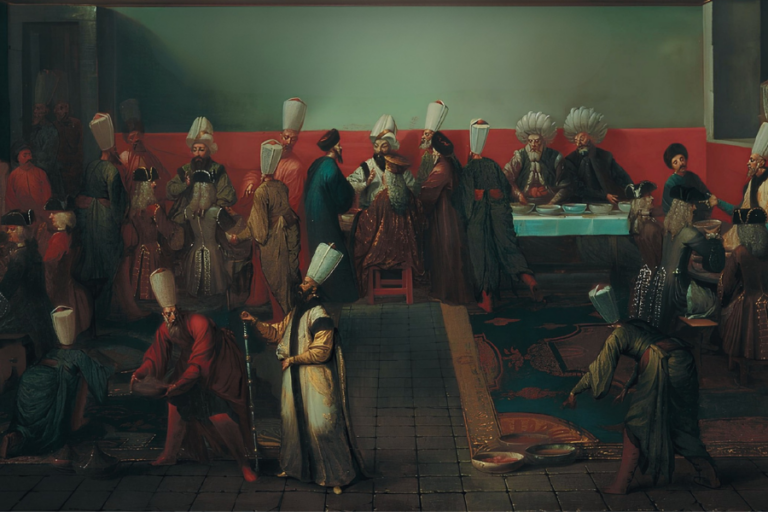


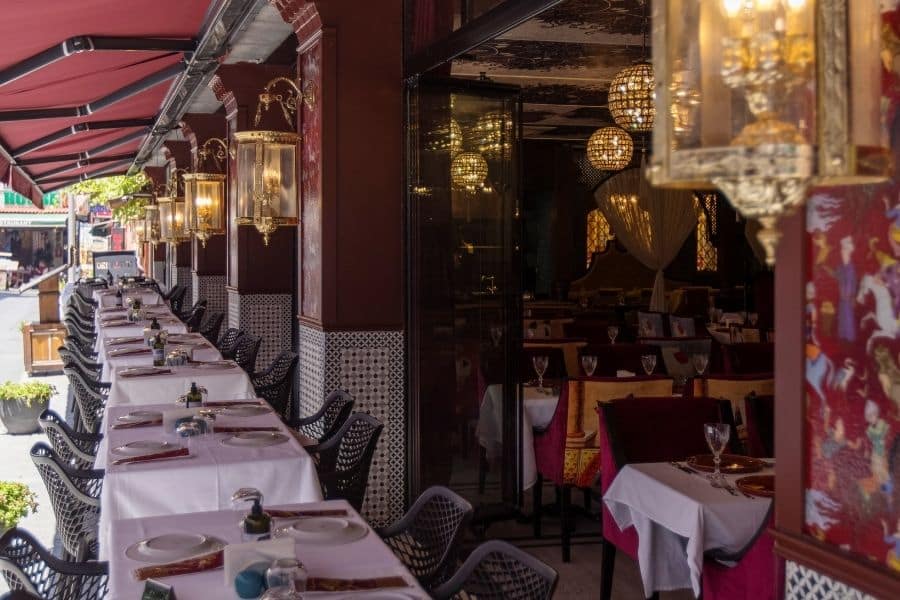
Istanbul’s food culture is a beautiful reflection of the city’s unique geography and layered history. As a crossroads between Europe and Asia, Istanbul brings together flavors, techniques, and traditions from many civilizations that once called this city home. From humble street vendors to elegant fine dining restaurants, the city’s culinary landscape is as diverse and dynamic as its people. Whether you’re wandering through the spice-scented streets of the Grand Bazaar or savoring Ottoman-inspired dishes at Deraliye Restaurant in Sultanahmet, every bite tells a story of culture, connection, and craftsmanship.
A Rich Blend of East and West
Few cities in the world can match the diversity of Istanbul’s culinary identity. Once the heart of the Byzantine and Ottoman Empires, Istanbul absorbed influences from the Mediterranean, Middle East, Central Asia, and the Balkans, creating a fascinating blend of East and West. This melting pot of flavors defines Turkish food culture today, visible in everything from slow-cooked stews to delicate pastries.
At the center of this tradition lies a deep respect for fresh, local ingredients. Olive oil, yogurt, fresh herbs, and aromatic spices form the foundation of many dishes. Every plate—whether a simple vegetable dish or a royal Ottoman recipe balances nutrition, color, and flavor in perfect harmony.
Street Food: The Heartbeat of Istanbul’s Culinary Scene
To truly understand Istanbul’s food culture, you must experience its street food. From early morning simit sellers to late-night kebab stands, the city thrives on the rhythm of its bustling food streets. Each neighborhood offers something unique—quick, flavorful, and affordable dishes that have nourished generations.
1- Simit
The iconic simit, a sesame-crusted circular bread, is a symbol of Istanbul itself. Often called a “Turkish bagel,” it’s crispy on the outside, soft inside, and pairs perfectly with tea or cheese. You’ll find locals enjoying simit everywhere, from ferry decks on the Bosphorus to park benches overlooking the skyline.
2- Balık Ekmek (Fish Sandwich)
Down by the waters of Eminönü, the famous balık ekmek, grilled mackerel tucked into crusty bread with lettuce and onions—captures the city’s maritime soul. It’s the taste of Istanbul’s connection to the sea, fresh and comforting at once.
3- Kokoreç
For the adventurous foodie, kokoreç is an unforgettable discovery. Made from seasoned, grilled lamb intestines, this bold street delicacy is rich in flavor and deeply rooted in Turkish tradition. It’s a favorite among locals after a night out in the city.
Traditional Turkish Dishes in Istanbul
Beyond street food, Istanbul’s restaurants celebrate the timeless recipes of traditional Turkish cuisine. Passed down through generations, these dishes represent the heart of Turkish hospitality and the diversity of its regions.
1- Kebabs
No exploration of Turkish food is complete without the iconic kebab. From smoky şiş kebab grilled over charcoal to flavorful döner kebab carved from the spit, every version showcases Turkey’s mastery of meat and spice. Across Istanbul, you’ll find countless variations, each with its own local twist.
2- Lahmacun
Often described as “Turkish pizza,” lahmacun is a paper-thin flatbread topped with minced meat, herbs, and spices. Served with lemon and fresh parsley, it’s light yet satisfying, perfect for a quick and flavorful meal.
3- Mezzes
No dining experience in Turkey is complete without meze, an assortment of small dishes that reflect the spirit of sharing. From creamy hummus and smoky eggplant puree to spicy ezme and marinated olives, meze plates embody the heart of Turkish social dining. They are best enjoyed with a glass of rakı, the traditional anise-flavored drink.
Istanbul’s Sweet Side: Turkish Desserts
Sweetness has always played a central role in Turkey’s food culture, especially in Istanbul, where dessert-making is considered an art form. The city’s dessert shops and restaurants continue to uphold Ottoman pastry traditions with passion and precision.
1- Baklava
The legendary baklava, layers of filo pastry filled with nuts and drenched in syrup is Istanbul’s most celebrated dessert. At places like Deraliye Restaurant, baklava is prepared in the traditional palace style, offering the perfect balance of crisp texture and sweet richness.
2- Künefe
Made from shredded pastry, cheese, and syrup, künefe is a dessert of contrasts: crunchy yet soft, sweet yet savory. Served warm and sprinkled with crushed pistachios, it’s an indulgent finale to any Turkish meal.
3. Turkish Delight
Known as lokum, Turkish delight is a confection that has enchanted palates for centuries. Flavored with rose, lemon, or pistachio and dusted with sugar, these delicate cubes pair beautifully with Turkish coffee, offering a sweet reflection of the country’s refined culinary heritage.
The Dining Experience: Hospitality at Its Finest
Dining in Istanbul is never just about eating—it’s about connection, community, and atmosphere. Whether at a cozy local café or a high-end Turkish restaurant, every meal is an act of hospitality. Meals are meant to be shared, conversations to be enjoyed, and time to be savored. The pace is unhurried; the experience, always warm and memorable.
Discover Istanbul’s Food Culture at Deraliye Restaurant
To truly immerse yourself in Istanbul’s food culture, visit Deraliye Restaurant in Sultanahmet—the historic heart of the city. Here, culinary tradition meets fine dining. The menu celebrates centuries-old Ottoman recipes, refined with a modern touch. Guests can indulge in everything from royal kebabs and delicate meze to elegant Turkish desserts, each crafted with care and authenticity.
At Deraliye, every detail—from the presentation of the dishes to the warm hospitality—reflects Istanbul’s enduring love for good food and good company. Whether you’re a visitor exploring the city for the first time or a local rediscovering its flavors, Deraliye offers an unforgettable dining experience that captures the essence of Turkey’s food culture.