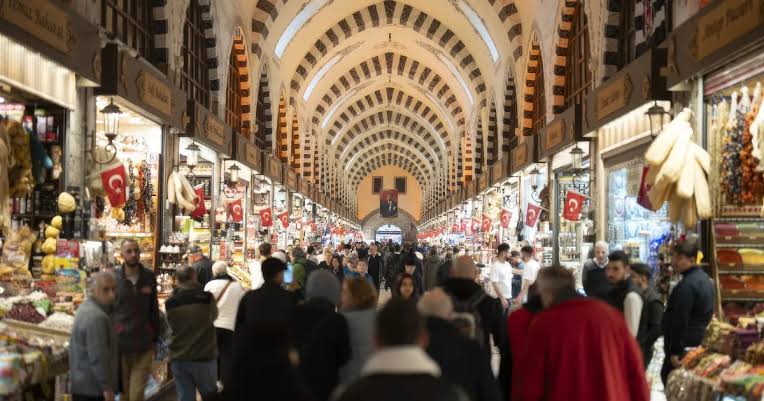


For centuries, Topkapı Palace was not only the political heart of the Ottoman Empire but also the center of one of the world’s most sophisticated culinary traditions. The question “What did Ottoman sultans eat in Topkapı Palace?” reveals a fascinating story of imperial kitchens, forgotten recipes, ceremonial banquets, and flavors shaped by a vast empire stretching across three continents.
The food served in the palace was far more than daily nourishment. Every dish reflected power, refinement, diplomacy, and culture. Ingredients arrived from Anatolia, the Balkans, Persia, the Arab world, and the Mediterranean, creating a culinary heritage that later evolved into what we know today as Ottoman cuisine.
Today, many of these palace recipes continue to survive in Istanbul through restaurants dedicated to preserving this heritage, including Deraliye Restaurant in Sultanahmet, where Ottoman dishes inspired by palace traditions are brought back to life.
The Imperial Kitchens of Topkapı Palace: Matbah-ı Amire
The culinary life of Topkapı Palace revolved around Matbah-ı Amire, the imperial kitchen complex. Far beyond a simple cooking space, this was one of the largest culinary organizations of its time.
Historical sources indicate that hundreds of cooks, assistants, bakers, confectioners, and specialists worked here. The kitchens were divided into sections, each responsible for different groups inside the palace.
Among them were:
- Kuşhane Kitchen, preparing meals for the sultan and distinguished guests
- Kitchens for the Harem
- Confectionery and dessert sections
- Sherbet preparation rooms
- Bread and pastry kitchens
Meals were prepared according to strict protocols, and recipes varied depending on status and occasion.
Read This: Eating and Drinking Habits of the Sultans in the Ottoman Empire
What Did Ottoman Sultans Eat Daily?
Contrary to popular belief, Ottoman sultans did not always eat extravagant meals. Palace cuisine valued balance, elegance, and moderation.
A typical palace meal could include:
Soups and Starters
Meals often began lightly.
Popular choices included:
- Tutmaç soup
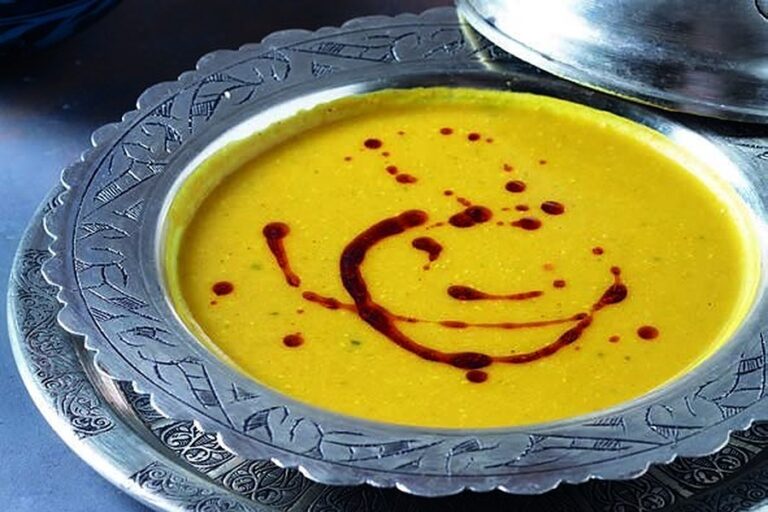
- Lentil soup
- Tarhana
- Yogurt-based broths
Soups prepared the stomach and reflected the Ottoman belief in balanced eating.
Rice and Pilaf Dishes
Rice held a central role in Ottoman cuisine.
Palace kitchens prepared sophisticated pilafs enriched with:
- Almonds
- Pistachios
- Currants
- Cinnamon
- Saffron
Pilaf was not simply a side dish; it was often the centerpiece of royal meals.
Lamb and Poultry Dishes
Among the most prestigious foods served in Topkapı Palace were poultry dishes.
After the establishment of the Kuşhane section, various birds became part of palace menus:
- Quail
- Goose
- Duck
- Chicken
- Pheasant
- Peacock
These meats were cooked slowly and frequently paired with fruits and aromatic ingredients.
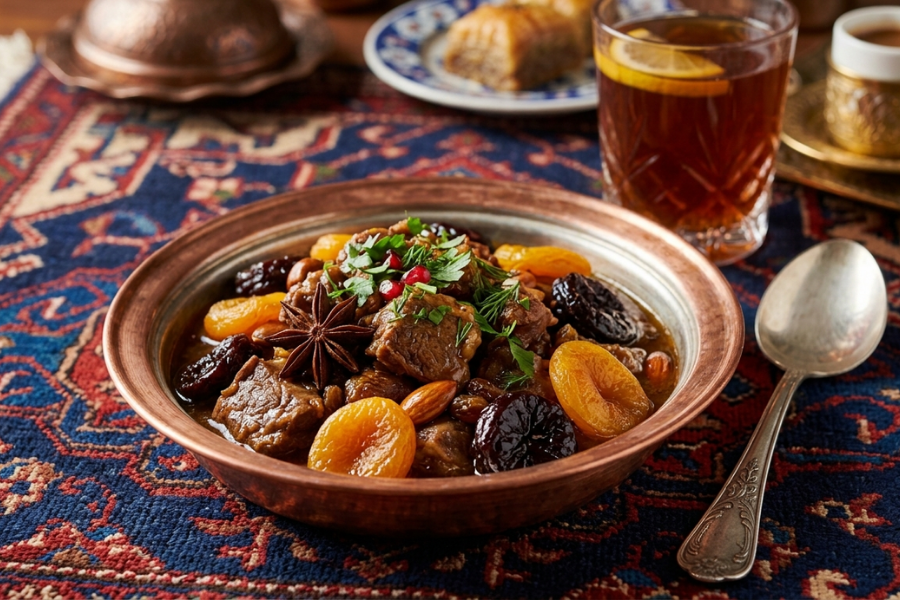
One of the best examples is Mutancana, a famous Ottoman dish combining lamb with apricots, plums, honey, and spices.
At Deraliye Restaurant, these historical palace influences continue today through recipes inspired by Ottoman culinary archives and prepared using traditional methods.
The Sweet and Savory Philosophy of Ottoman Cuisine
One aspect that surprises modern diners is the Ottoman love for combining sweet and savory flavors.
Unlike contemporary Turkish cuisine, palace dishes frequently mixed:
- Meat and fruits
- Honey and spices
- Nuts and rice
- Sour and sweet sauces
This approach created elegant flavor layers rather than intense seasoning.
Examples include:
Mahmudiye: Chicken cooked with almonds, raisins, and cinnamon.
Mutancana: Lamb slowly braised with dried fruits.
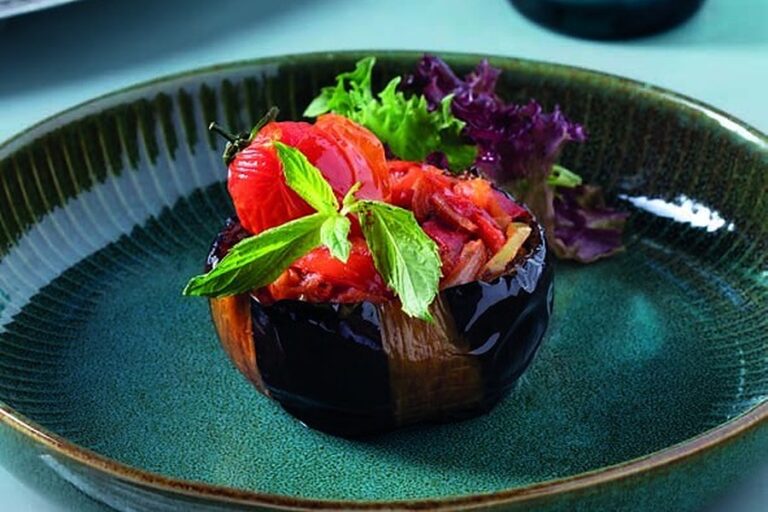
Ayva Dolması: Stuffed quince balancing sweetness and spice.
Many of these dishes survive today in restaurants preserving Ottoman palace cuisine traditions.
Sherbets: The Royal Drinks of Topkapı Palace
The palace table was incomplete without sherbets.
Prepared using:
- Rose petals
- Tamarind
- Pomegranate
- Violet flowers
- Dried fruits
- Aromatic spices
Sherbets were served during ceremonies, banquets, and especially Ramadan.
These beverages represented both hospitality and health, helping maintain mineral balance and digestion.
Today, traditional Ottoman sherbets remain an important part of historical dining experiences in Sultanahmet.
Desserts Served to Ottoman Sultans
Dessert culture occupied a remarkable place inside Topkapı Palace.
The palace confectionery sections produced elaborate sweets including:
Baklava
Perhaps the most famous Ottoman dessert.
Historical records mention ceremonial Baklava Processions, where trays of baklava were presented to Janissaries.
Güllaç
Especially popular during Ramadan.
Thin starch sheets layered with milk and nuts created one of the palace’s most elegant desserts.
Zerde
A saffron rice dessert colored golden and often prepared for celebrations.
Aşure
Prepared with grains, fruits, and nuts, symbolizing abundance.
Banquets in Topkapı Palace: Dining as Diplomacy
Palace banquets served political purposes.
Foreign ambassadors and guests were welcomed with magnificent dining experiences designed to demonstrate Ottoman sophistication.
These banquets featured:
- Multiple courses
- Carefully planned seating
- Fine tableware
- Musical accompaniment
- Structured serving rituals
Food became an instrument of diplomacy.
The Ottoman Empire introduced its culture to the world not only through military and architecture but also through cuisine.
Experiencing Ottoman Palace Cuisine Today in Sultanahmet
Centuries later, Sultanahmet remains the spiritual center of Ottoman gastronomy.
Visitors exploring Topkapı Palace, Hagia Sophia, and the historical peninsula often seek places where these royal recipes still survive.
This is where Deraliye Restaurant becomes part of the story.
Located in Sultanahmet, Deraliye specializes in dishes inspired by Ottoman palace cuisine. The menu features historical recipes that reflect imperial traditions once served in Topkapı Palace.
Guided by the culinary expertise of Chef Necati Yılmaz, the restaurant preserves traditional preparation methods while presenting them in a refined modern setting.
Guests can discover dishes influenced by:
- Palace poultry traditions
- Ottoman desserts
- Sherbet culture
- Forgotten royal recipes
Those interested in exploring these historical flavors can also review the restaurant menu or make a reservation to experience Ottoman dining in the heart of Istanbul.
The Legacy of the Sultan’s Table
The question “What did Ottoman sultans eat in Topkapı Palace?” opens the door to more than food history.
It reveals a civilization where cuisine represented elegance, diplomacy, art, and identity.
The imperial table was built on balance rather than excess, refinement rather than extravagance.
Today, this heritage still lives on in Istanbul, especially in Sultanahmet, where Ottoman culinary traditions continue to inspire new generations.