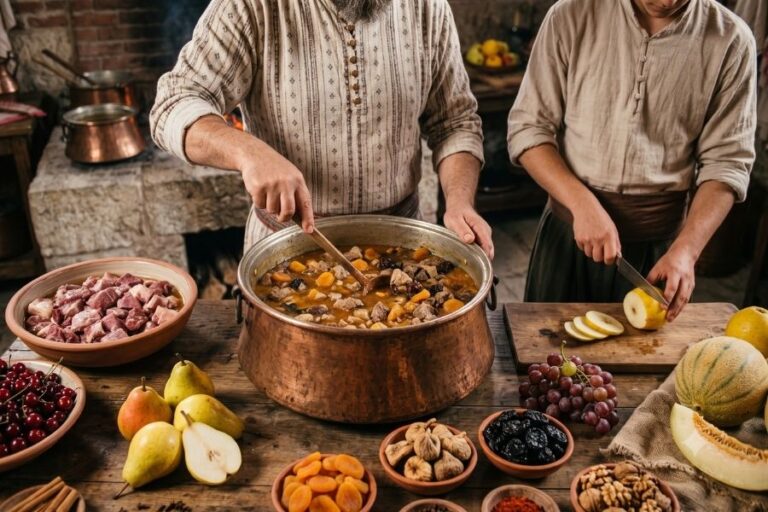


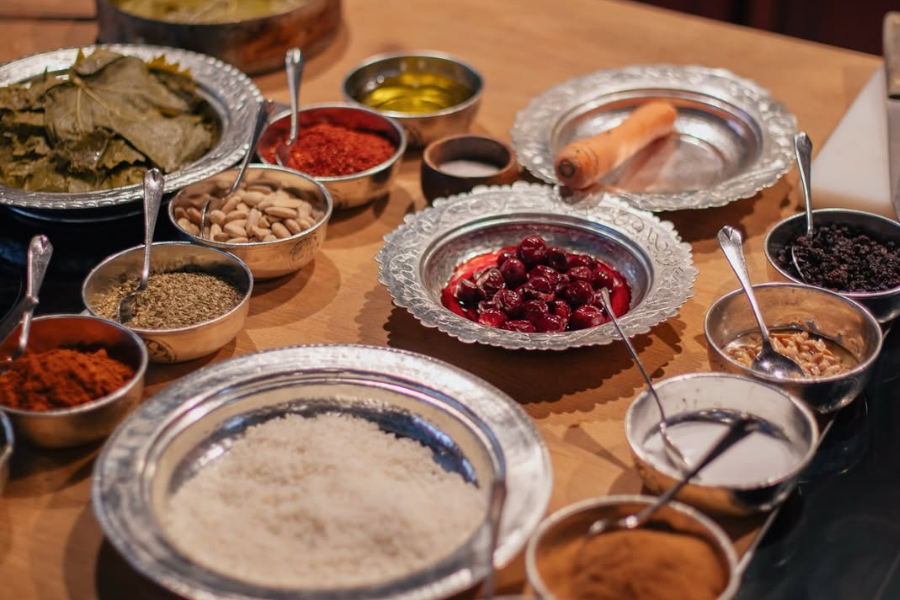
The story of Ottoman cuisine is often told through famous dishes like kebabs, baklava, and pilaf. Yet beyond these well-known classics lies a fascinating collection of forgotten recipes that once graced the tables of sultans, statesmen, and distinguished guests. Many of these dishes were central to Ottoman palace cuisine, but over time they gradually disappeared from everyday dining.
Today, thanks to restaurants dedicated to preserving Turkey’s culinary heritage, these historic recipes can still be experienced. In the heart of Sultanahmet, Deraliye Restaurant continues to revive authentic palace dishes, allowing guests to discover flavors that once defined the Ottoman Empire.
If you are interested in exploring the lesser-known side of Ottoman gastronomy, here are some of the most remarkable forgotten dishes you can still taste today.
1- Mutancana: The Sultan’s Favorite Sweet and Savory Dish
Among the most iconic dishes of Ottoman palace cuisine, Mutancana perfectly reflects the empire’s love for balancing sweet and savory flavors.
This historic dish combines tender lamb with:
- Dried apricots
- Prunes
- Raisins
- Honey
- Almonds
- Aromatic spices
The result is a rich and complex flavor profile that surprises many modern diners. While sweet and savory combinations may seem unusual today, they were highly prized in Ottoman kitchens.
Historical records suggest that Mutancana was frequently served during palace banquets and special celebrations. Its luxurious ingredients made it a symbol of abundance and sophistication.
At Deraliye Restaurant, guests can still experience this remarkable dish prepared according to traditional Ottoman culinary principles.
2- Mahmudiye: A Royal Chicken Recipe from the Palace Kitchens
Mahmudiye is one of the finest examples of Ottoman poultry cuisine. Named after Sultan Mahmud, this elegant recipe demonstrates the refinement of palace cooking.
The dish traditionally features:
- Slow-cooked chicken
- Almonds
- Raisins
- Cinnamon
- Butter
The combination creates a delicate balance of sweetness, richness, and spice. Unlike many modern chicken dishes, Mahmudiye was designed to showcase harmony rather than intensity.
This recipe became particularly popular during the later centuries of the Ottoman Empire and remains one of the most celebrated poultry dishes in historical Turkish cuisine.
Visitors to Deraliye Restaurant can discover why Mahmudiye earned its place among the favorite dishes of the Ottoman court.
3- Ayva Dolması: The Art of Stuffed Quince
Few dishes illustrate the creativity of Ottoman chefs better than Ayva Dolması, or stuffed quince.
Quince was highly valued in palace cuisine and often appeared in both sweet and savory preparations. In this unique recipe, the fruit is carefully hollowed out and filled with a mixture that may include:
- Minced meat
- Rice
- Aromatic spices
- Nuts
The natural sweetness of the quince balances the savory filling, creating a dish that embodies the culinary philosophy of the Ottoman Empire.
Ayva Dolması is rarely found in modern restaurants, making it one of the most distinctive historical dishes available at Deraliye Restaurant.
4- Zerde: The Golden Dessert of Celebrations
While baklava often dominates discussions about Ottoman desserts, Zerde was once among the most prestigious sweets served in the palace.
Made from:
- Rice
- Saffron
- Sugar
- Rose water
Zerde is instantly recognizable for its vibrant golden color. The use of saffron, one of the world’s most valuable spices, elevated the dessert to a symbol of wealth and celebration.
Historically, Zerde was served during:
- Royal weddings
- Religious festivals
- Imperial ceremonies
- Victory celebrations
Its light texture and fragrant aroma made it particularly popular after elaborate palace banquets.
Today, this historic dessert continues to represent the elegance of Ottoman confectionery traditions.
5- Herise: A Dish of Patience and Tradition
Known in various forms across different regions of the former empire, Herise is one of the oldest dishes in Ottoman culinary history.
Prepared by slowly cooking: wheat, meat and butter.
the ingredients are blended until they form a rich, velvety texture.
The preparation process itself reflects Ottoman culinary values. Herise requires patience, skill, and careful attention, qualities that were highly respected in palace kitchens.
Although simpler than some of the empire’s more elaborate recipes, Herise remains an important example of how Ottoman cuisine transformed basic ingredients into something extraordinary.
6- Elbasan Tava: A Legacy from the Balkans
The Ottoman Empire stretched across vast territories, and many regional dishes eventually found their way into palace kitchens.
One of the best examples is Elbasan Tava, a dish originating from present-day Albania.
This comforting recipe combines:
- Tender lamb
- Yogurt-based sauce
- Eggs
- Butter
before being baked until golden.
Its creamy texture and rich flavor made it a favorite throughout the Balkans and Anatolia alike.
Elbasan Tava demonstrates how Ottoman cuisine absorbed culinary traditions from across the empire while giving them a distinctive palace touch.
Why Did These Ottoman Dishes Disappear?
Many historic Ottoman dishes gradually faded from daily life for several reasons:
- Changing eating habits
- Simplification of home cooking
- Urbanization
- The decline of palace culinary traditions
- Modern preference for quicker recipes
As a result, many recipes that once appeared regularly on imperial tables became increasingly rare.
Fortunately, interest in Ottoman gastronomy has grown significantly in recent years. Historians, chefs, and culinary researchers have worked to preserve these recipes and introduce them to new generations.
Discover Forgotten Ottoman Flavors at Deraliye Restaurant
Preserving Ottoman culinary heritage requires more than simply recreating old recipes. It requires understanding the history, techniques, and philosophy behind each dish.
Located in Sultanahmet, Deraliye Restaurant is dedicated to keeping this legacy alive. Under the guidance of Chef Necati Yılmaz, the restaurant carefully revives historic Ottoman recipes using traditional methods and high-quality ingredients.
Guests can explore dishes inspired by:
- Palace banquets
- Imperial kitchens
- Historical Ottoman manuscripts
- Forgotten regional recipes
Each plate offers more than flavor. It offers a connection to centuries of culinary history.
A Taste of Ottoman History
The Ottoman Empire left behind a remarkable gastronomic legacy, much of which remains undiscovered by modern diners. Dishes such as Mutancana, Mahmudiye, Ayva Dolması, Zerde, Herise, and Elbasan Tava tell the story of a cuisine built on creativity, balance, and cultural exchange.
For those visiting Istanbul and seeking an authentic culinary experience, Deraliye Restaurant offers a rare opportunity to taste these forgotten treasures and explore the rich world of Ottoman palace cuisine one dish at a time.