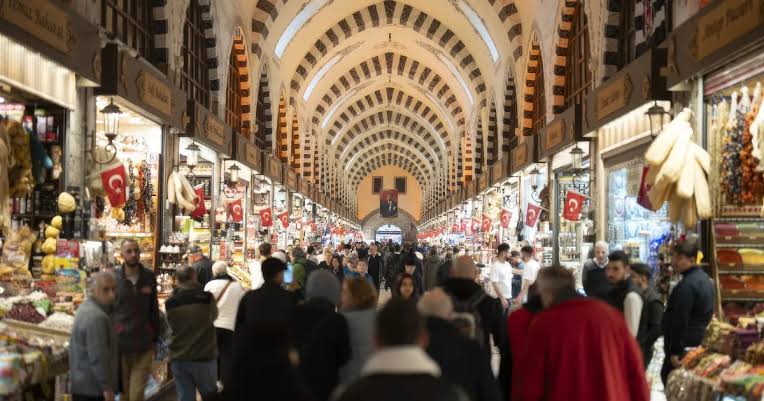


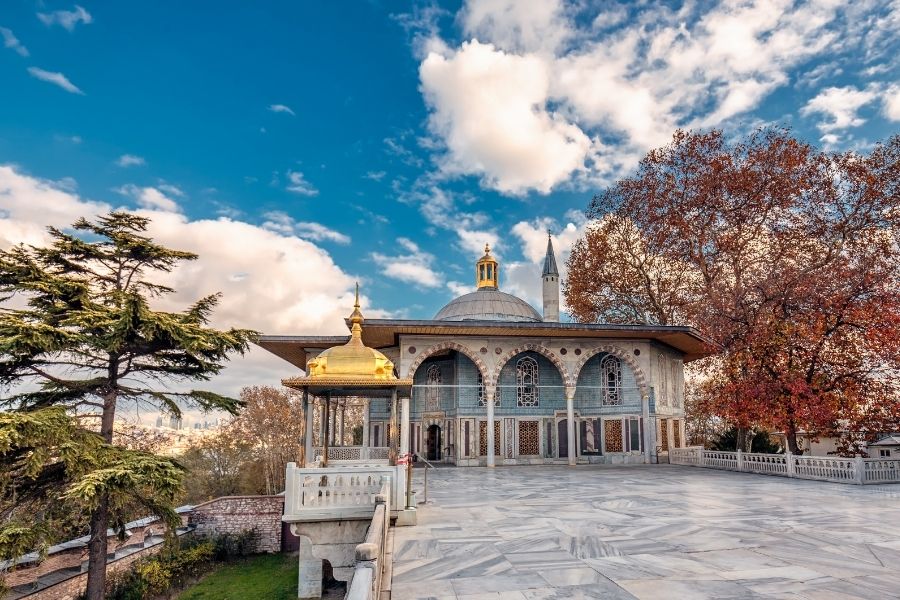
What to eat near Topkapı Palace in Istanbul is an important question if you want your visit to the Historical Peninsula to continue with an equally memorable culinary experience. Sultanahmet is surrounded by restaurants, cafés and quick dining options, but this is also the historic center of the former Ottoman capital. Instead of choosing an ordinary meal, visitors have an opportunity to discover traditional Turkish food and the sophisticated flavors of Ottoman palace cuisine only a short distance from Topkapı Palace.
Finding what to eat near Topkapı Palace becomes much easier when you look at the history surrounding you. Lamb cooked slowly with dried fruits, delicately seasoned poultry, stuffed vegetables and fruits, aromatic rice dishes, sherbets and traditional desserts all provide clues to Istanbul’s extraordinary culinary past. At Deraliye Restaurant in Sultanahmet, this heritage is transformed into a dining experience inspired by recipes and flavors associated with Ottoman cuisine.
If you are planning lunch or dinner after visiting Topkapı Palace, this guide explains which dishes are worth discovering, why Ottoman cuisine is particularly meaningful in Sultanahmet and how you can turn a day of sightseeing into a journey through Istanbul’s culinary history.
Why Is Sultanahmet a Special Place to Discover Ottoman Cuisine?
Location matters when exploring Istanbul’s food culture. Topkapı Palace served as the administrative and residential center of the Ottoman dynasty for centuries, while its enormous imperial kitchen complex developed into one of the most important culinary institutions of the empire.
Known as the Matbah-ı Amire, the palace kitchens prepared food for different members of the imperial household. Specialized kitchen sections and skilled cooks helped develop a sophisticated culinary culture based on carefully selected ingredients, distinctive cooking techniques and combinations of flavors gathered from different parts of the empire.
Understanding what Ottoman sultans ate in Topkapı Palace makes a visit to Sultanahmet even more interesting. Foods such as lamb, poultry, rice, vegetables, fruits, nuts and aromatic spices could be transformed into elaborate preparations that were very different from the simplified image of Turkish cuisine many first-time visitors may have.
This makes Ottoman cuisine a natural choice after exploring the palace. You have just walked through the courtyards and buildings where imperial life unfolded, and your next meal can introduce you to another dimension of that history.
What Should You Eat Near Topkapı Palace?
There is no single dish that represents the entire culinary heritage of Istanbul. Turkish cuisine developed through centuries of interaction between Anatolia, the Balkans, the Mediterranean, Central Asia, the Caucasus and the Middle East. Ottoman palace cooking added another layer by bringing ingredients and techniques together within a highly organized imperial kitchen.
If you want your meal near Topkapı Palace to reflect this heritage, consider dishes that demonstrate the characteristic balance of meat, fruit, grains, nuts, vegetables and aromatic spices found in historical Ottoman cooking.
1. Mutancana: Lamb with the Sweet and Savory Character of Ottoman Cuisine
Mutancana is an excellent starting point for anyone experiencing Ottoman palace cuisine for the first time. It demonstrates one of the most interesting characteristics of historical Ottoman cooking: combining meat with sweet, tart and aromatic ingredients.
Lamb is accompanied by ingredients such as dried fruits, honey and nuts, creating layers of flavor rather than simply making the dish sweet. Richness from the meat is balanced by fruit, while nuts and spices add texture and aroma.
This combination can initially seem surprising to visitors accustomed to separating savory main courses from sweet flavors. Yet it reflects a much older culinary philosophy. The historical relationship between fruit and meat is explored in greater detail through the Ottoman tradition of cooking meat with fruits, which helps explain why recipes such as Mutancana became so distinctive.
2. Mahmudiye: A Refined Ottoman Poultry Dish
Poultry had an important place in Ottoman palace cooking. Chicken, duck, goose, quail and other birds appeared in different preparations, particularly within the sophisticated culinary environment of the imperial court.
Mahmudiye represents this tradition particularly well. Chicken is combined with ingredients such as almonds, dried fruit and gentle aromatic notes, producing the sweet and savory balance associated with Ottoman palace dishes.
For visitors asking what to eat near Topkapı Palace, dishes of this kind offer something beyond familiar tourist favorites. They reveal a side of Istanbul’s food history that cannot be understood through kebabs alone.
3. Ottoman-Style Lamb Dishes
Lamb has held an important position in Anatolian and Ottoman cooking for centuries. In palace cuisine, however, preparation could become considerably more elaborate than simply roasting or grilling meat.
Slow cooking allowed flavors to develop gradually, while fruit, nuts, rice and spices could be used to create contrast. The result was rich without necessarily relying on excessive seasoning.
Trying an Ottoman-style lamb dish after visiting Topkapı Palace provides an interesting connection between the architecture you have explored and the culinary culture that developed within the same historical world.
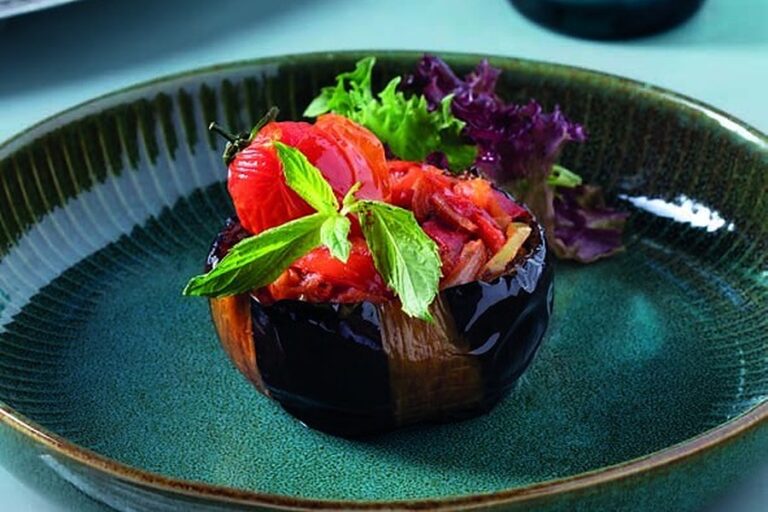
4. Stuffed Dishes and the Ottoman Dolma Tradition
Dolma is one of the great culinary traditions shared across the former Ottoman geography. Vegetables and leaves can be filled with combinations of rice, meat, herbs, spices and other ingredients, creating numerous regional variations.
Palace cooking could take this idea even further. Fruits such as quince were also used as vessels for savory fillings, producing sophisticated combinations in which sweetness, acidity and meat complemented one another.
These dishes illustrate an important point about Turkish cuisine: seemingly simple techniques can produce remarkably complex results when ingredients are selected carefully.
5. Pilaf: Much More Than a Side Dish
Visitors sometimes regard rice as merely an accompaniment to the main course. Historically, however, pilaf occupied a far more important position in Ottoman cuisine.
Different preparations could include nuts, dried fruits, spices, meat or other ingredients. The quality of the rice, cooking technique and balance between individual components were all important.
A well-prepared Ottoman-style pilaf therefore deserves attention in its own right. When served alongside lamb or poultry, it also helps reveal how different elements of the historical table were designed to complement one another.
Do Not Skip the Forgotten Ottoman Dishes
Some of the most interesting foods to try in Sultanahmet are not necessarily the most internationally famous ones. A number of recipes that once formed part of Ottoman culinary culture became increasingly uncommon as eating habits and cooking practices changed.
Dishes such as Mutancana, Mahmudiye, Ayva Dolması, Zerde and other historical preparations offer a different perspective on Turkish gastronomy. Our collection of forgotten Ottoman dishes that can still be tasted today explores how these recipes survived and why they deserve renewed attention.
For travelers interested in gastronomy, choosing one of these lesser-known dishes can be much more memorable than ordering something already familiar. You are not simply tasting another Turkish meal. You are discovering a recipe connected to a culinary tradition developed centuries ago.
What About Turkish Desserts After Visiting Topkapı Palace?
No exploration of Turkish and Ottoman cuisine is complete without dessert. Ottoman culinary culture developed an extensive repertoire of sweets ranging from pastries and milk desserts to fruit preparations and syrup-based specialties.
Some of the best-known examples include:
- Baklava: Delicate layers of pastry combined with nuts and syrup.
- Güllaç: A light milk-based dessert particularly associated with Ramadan.
- Zerde: A fragrant rice dessert historically connected with celebrations and ceremonial occasions.
- Revani: A semolina-based dessert finished with syrup.
- Quince desserts: Preparations highlighting a fruit that has a long history in Ottoman cooking.
Turkish desserts also demonstrate that the Ottoman understanding of sweetness was remarkably diverse. Nuts, fruits, milk, grains, pastry and aromatic ingredients could all become the foundation of a dessert.
Traditional Ottoman Sherbets Are Worth Discovering Too
Food is only part of the story. Ottoman culinary culture also included an extensive tradition of beverages, particularly sherbets.
These drinks could be prepared using fruits, flowers, herbs and aromatic spices. Rose, pomegranate and various seasonal fruits contributed different aromas and colors, while recipes varied according to period, region and occasion.
Trying a traditional sherbet alongside Ottoman food provides a more complete understanding of historical dining culture. Rather than treating the beverage as an afterthought, it becomes part of the overall flavor experience.
Where to Eat Near Topkapı Palace for an Ottoman Dining Experience
For visitors searching for a restaurant near Topkapı Palace that goes beyond standard tourist dining, Deraliye Restaurant offers a distinctive approach. Located in Sultanahmet, Deraliye specializes in Turkish and Ottoman palace cuisine and brings historical culinary inspiration into a contemporary restaurant setting.
The restaurant’s connection with Ottoman gastronomy is central to its culinary identity. Under the direction of Chef Necati Yılmaz, historical recipes and traditional flavor combinations are approached with respect for their origins while being prepared for today’s guests.
This makes Deraliye particularly relevant for travelers who have just visited Topkapı Palace. Instead of ending the historical experience when you leave the palace gates, lunch or dinner can continue the journey through taste.
Why Choose Deraliye Restaurant After Topkapı Palace?
Sultanahmet has many places to eat, so the best choice depends on what you want from your meal. If your priority is simply eating quickly between attractions, there are numerous casual options throughout the district. If you want your meal to become part of your Istanbul experience, historical context becomes much more important.
Deraliye Restaurant is particularly suited to visitors interested in:
- Discovering Ottoman palace cuisine in Sultanahmet
- Trying lesser-known historical Turkish dishes
- Experiencing recipes featuring distinctive sweet and savory combinations
- Learning about Istanbul’s culinary heritage through food
- Enjoying lunch or dinner after visiting Topkapı Palace and nearby historical attractions
Chef Necati Yılmaz’s work with Ottoman culinary traditions adds another layer to this experience. The goal is not simply to use Ottoman names on a modern menu, but to introduce guests to the ingredients, combinations and culinary ideas that make this historical cuisine distinctive.
How to Plan Lunch or Dinner Around Your Topkapı Palace Visit
Topkapı Palace deserves time. Its courtyards, collections, architecture and views make rushing through the complex a mistake. For a more enjoyable day in Sultanahmet, it makes sense to coordinate sightseeing and dining rather than treating food as an afterthought.
A practical day in the Historical Peninsula might include:
- Visit Topkapı Palace and explore its main courtyards and collections.
- Continue toward Hagia Sophia and Sultanahmet Square.
- Take time to experience the historical streets around the district.
- Stop for lunch or plan an evening dinner featuring Ottoman and Turkish cuisine.
- Choose several dishes to share so you can experience different aspects of palace cooking.
If your schedule allows, dinner can be particularly enjoyable because it gives you more time to explore a multi-course Ottoman meal without rushing to the next attraction.
What Should First-Time Visitors Order?
If this is your first encounter with Ottoman cuisine, avoid trying to order only the dishes you already recognize. Part of the experience is discovering flavor combinations that differ from modern everyday cooking.
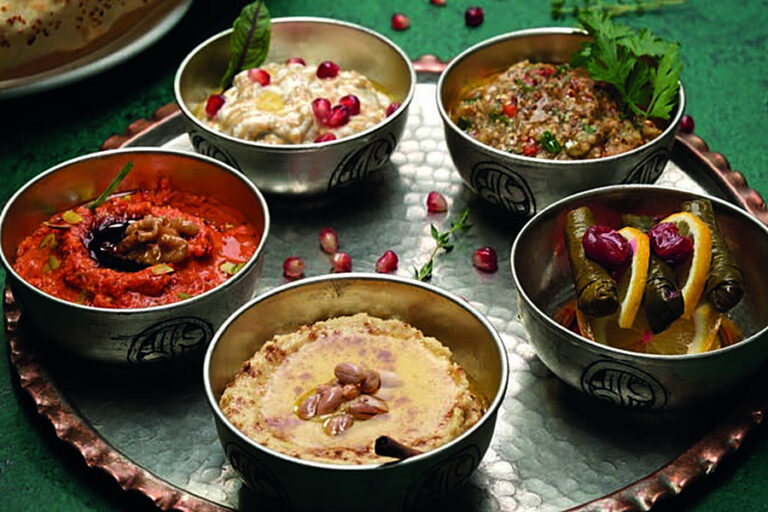
A balanced first meal could combine a selection of starters with an Ottoman lamb or poultry dish, an aromatic pilaf and a traditional dessert. A sherbet can complete the experience and introduce another element of historical palace dining.
If dining with several people, sharing different dishes is particularly useful. It allows everyone at the table to compare textures, ingredients and cooking styles rather than experiencing Ottoman cuisine through a single plate.
Is Ottoman Cuisine Different from Modern Turkish Cuisine?
Yes, although the two are closely connected. Modern Turkish cuisine inherited countless ingredients, dishes and techniques from the Ottoman period, but everyday eating habits have naturally evolved over time.
Ottoman palace cuisine was also a specialized culinary environment. The imperial kitchens had access to ingredients from a vast geography and employed cooks responsible for different categories of food. This created opportunities for complex recipes and distinctive combinations that were not necessarily representative of what every person across the empire ate.
This distinction is important when choosing what to eat near Topkapı Palace. Trying palace-inspired food should be understood as exploring a particular historical dimension of Turkish gastronomy rather than assuming it represents every aspect of Turkish cooking.
Turn Your Topkapı Palace Visit Into a Culinary Journey
Topkapı Palace tells the story of Ottoman history through architecture, objects, courtyards and imperial collections. Food provides another way to understand that story.
The combination of lamb with dried fruit, chicken with nuts, aromatic pilafs, stuffed fruits, sherbets and elaborate desserts reveals a culinary culture built around balance, craftsmanship and the exchange of ingredients across a vast geography.
For anyone wondering what to eat near Topkapı Palace in Istanbul, this makes Sultanahmet an opportunity to go beyond the familiar. At Deraliye Restaurant, Chef Necati Yılmaz and his kitchen bring Ottoman culinary heritage to the table through dishes inspired by the historical traditions of the palace.
After walking through the former home of the Ottoman sultans, sitting down to discover the flavors associated with their culinary world can become one of the most memorable parts of your day in Istanbul.