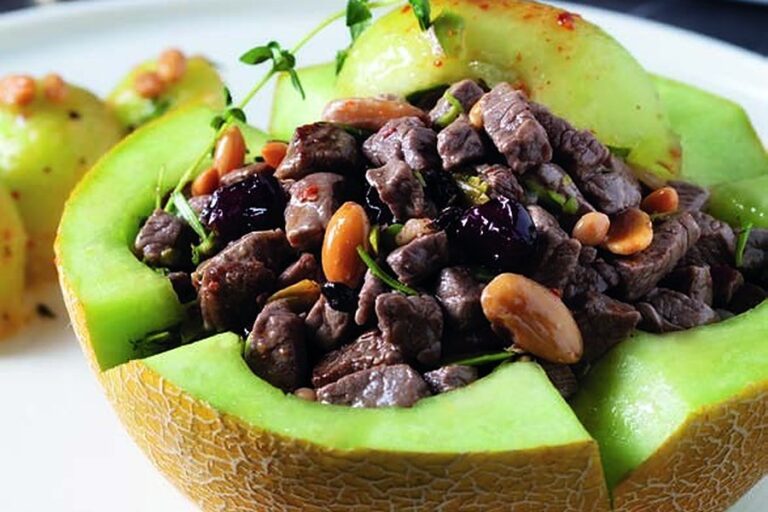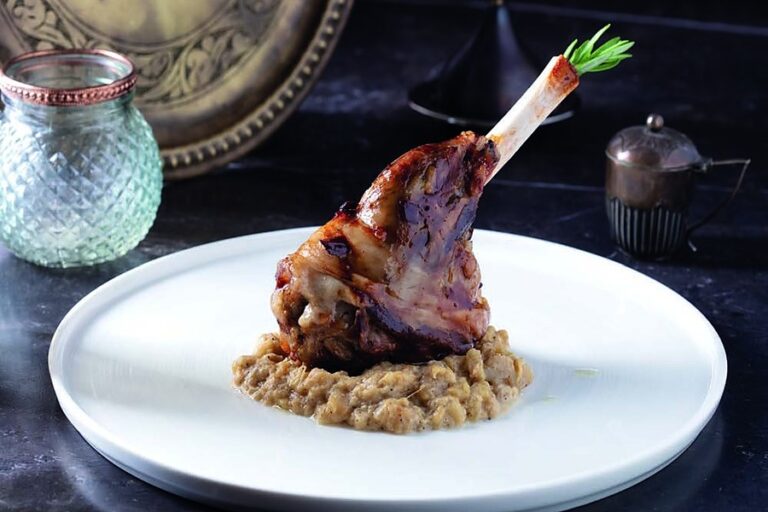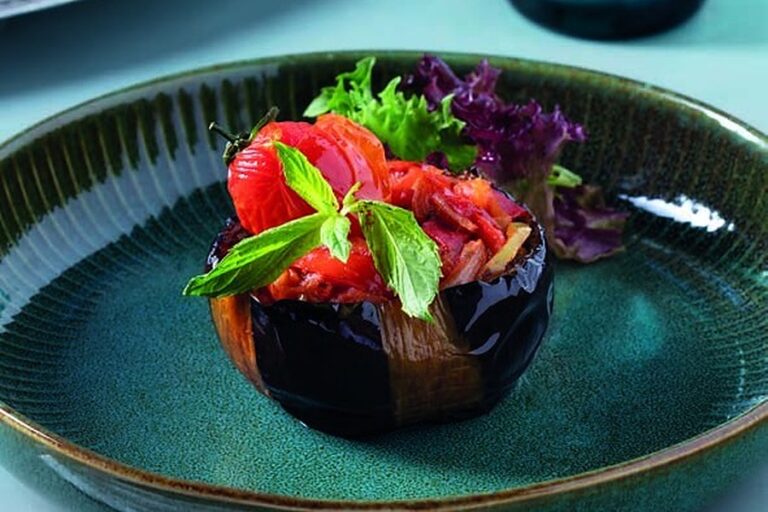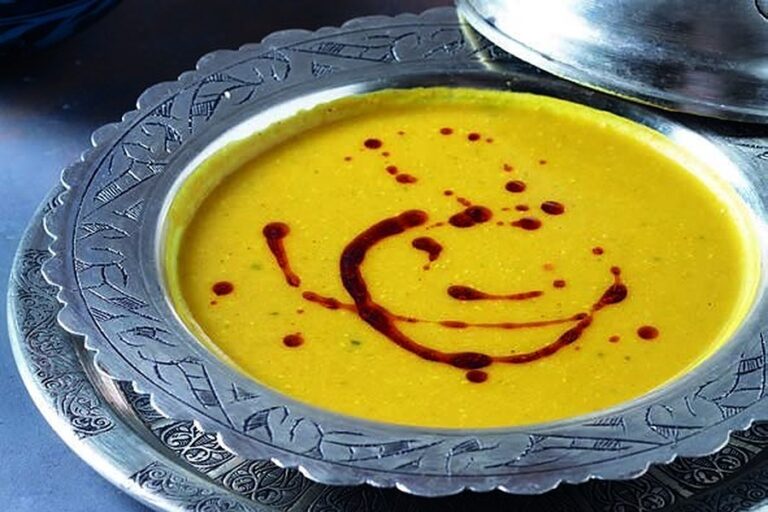

The lamb dishes at Deraliye cover almost every way the Ottoman kitchen cooked a sheep: a whole shank braised until it slides off the bone, shoulder and ribs roasted in a stone oven for the whole table, cubes of lamb laid over smoked eggplant, and a shank stewed with apricots and figs. If you have one dinner in Sultanahmet this winter and want to taste lamb the way palace cooks prepared it, start with Kuzu İncik (lamb shank) or Kuzu Tandır, and move to the large sharing dishes if you come as a group.
Lamb is the backbone of the palace section of the menu, and it suits November. The days are short, the evenings in the old city turn cold, and slow-cooked meat with pilaf is still what many Istanbul families put on the table at this time of year. The sections below go dish by dish through the 2026 menu: what each lamb dish is, how it is cooked, how many people it feeds and which one fits your table.
Why Lamb Was the Meat of the Ottoman Palace
In Ottoman Istanbul, sheep was the meat that mattered. Historians who have studied the palace kitchen accounts describe lamb and mutton as the everyday meat of both the court and the city, while beef played a much smaller role. Keeping the capital supplied with sheep was treated as a state matter, and the price of meat was fixed by official regulation. We covered the wider story in our article on the significance of meat in Ottoman cuisine.
The second reason is older than the palace itself. Turkic peoples reached Anatolia as herders, and cooking a whole cut of lamb slowly over low heat is part of that inheritance. The menu says so directly under the lamb shank: the dish entered the palace kitchen as a reflection of nomadic culture. Over the centuries the court kept the cuts but refined the plate, adding eggplant purées, pilafs with pine nuts and currants, and sweet and sour sauces made with fruit and vinegar.
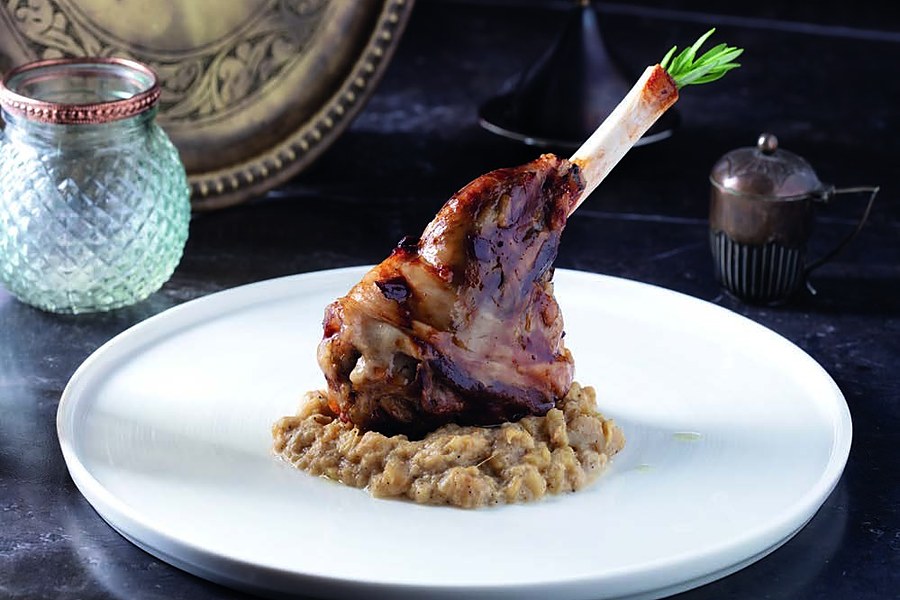
Kuzu İncik: Lamb Shank on Roasted Eggplant
Kuzu İncik is a whole lamb shank, cooked slowly until the meat can be pulled apart with a fork, then served on a bed of roasted eggplant. The seasoning is restrained: cinnamon and whole black pepper, which give warmth without covering the taste of the meat. One portion is 350 to 400 grams on the bone, a full main course for one person.
The shank is a working muscle full of connective tissue, which is why it needs time. Grilled quickly it would be tough; braised for hours, the collagen melts and the meat turns soft and glossy. That is also why shank is a cold weather dish in Turkish homes. The eggplant underneath matters as much as the meat. Smoky and creamy, it soaks up the cooking juices and works almost like a sauce. If you have read about Hünkar Beğendi and other Ottoman winter dishes, the pairing will feel familiar, since both rest lamb on eggplant.
Kuzu Tandır and the Stone Oven
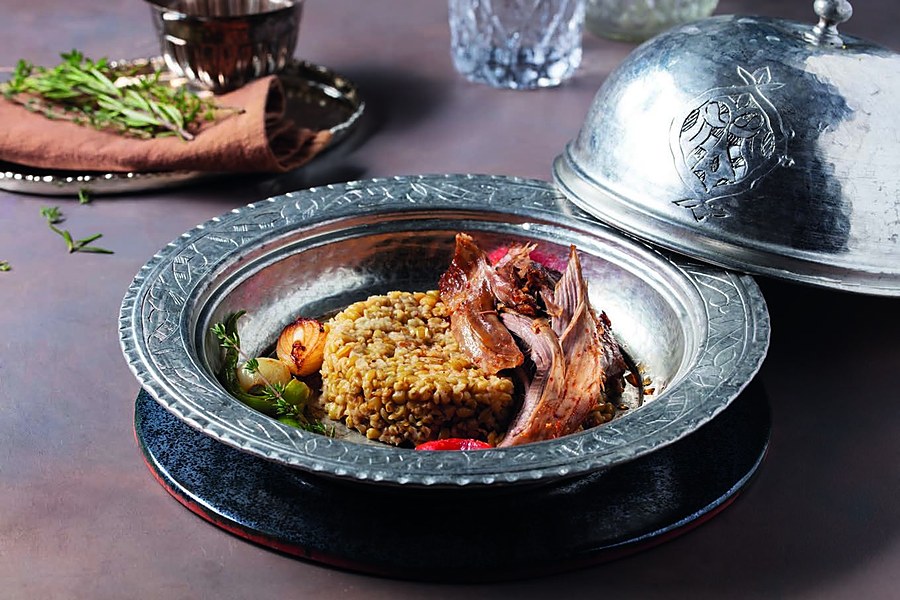
Kuzu Tandır is lamb cooked in a stone oven in the traditional way until it falls from the bone, served with a spiced pilaf. In Turkey the word tandır covers both a pit oven and a closed stone or brick oven. What they share is low, even heat over several hours, so the lamb cooks in its own fat and steam instead of over an open flame. The portion is 220 grams of meat with pilaf, a lighter plate than the shank.
Texture is the reason to order it. Tandır lamb has crisp edges where the fat has rendered and very soft meat inside, and it needs little more than salt. The pilaf beside it catches the juices. The allergen note on the menu lists gluten for this pilaf, so ask the staff before ordering if you avoid wheat.
Stone oven lamb goes back much further than the Ottomans. On Thursday and Friday evenings the kitchen serves Hapena as part of its Hittite menu: thin slices of lamb neck slow-cooked in a stone oven until the meat leaves the bone, finished with bone marrow, thyme and black pepper and served with a tart plum sauce. You can read more about that menu in our guide to Hittite cuisine.
Lamb Cooked with Fruit
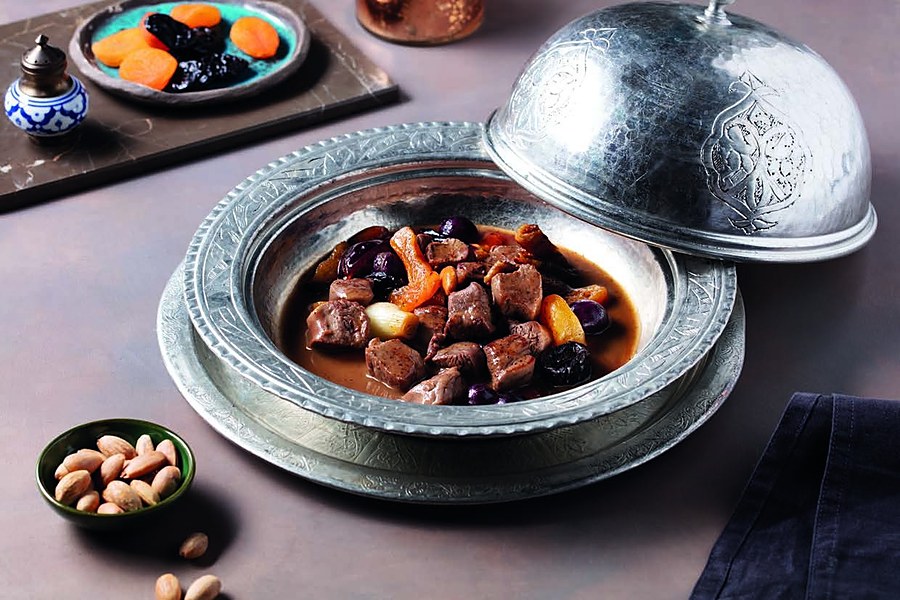
Some of the most characteristic palace recipes pair lamb with fruit. The menu keeps three of them, each with a different balance of sweet and sour.
Terkib-i Mutancana
Terkib-i Mutancana is lamb shank stewed with honey, vinegar, apricots, dried figs and razaki grapes. The result is sweet, sour and savoury at the same time, which is exactly the balance Ottoman cooks were after when they put meat and fruit in one pot. The menu adds a historical note: the dish was served to the public in the imarets, the charitable kitchens, of Fatih and Süleymaniye in Istanbul and of Bayezid II in Edirne. Our article on why Ottoman chefs cooked meat with fruits explains the thinking behind it.
Vişne Soslu Kuzu Tarak
Vişne Soslu Kuzu Tarak is a rack of lamb for one, marinated with fresh thyme, rosemary and herbs and served with a sour cherry sauce. The Turkish menu specifies Kıvırcık lamb, a breed from Thrace that is valued in Turkey for its fine, tender meat. Sour cherry was a favourite fruit of the palace kitchen, used in sherbets, preserves and sauces, and its acidity cuts through the richness of the ribs.
Kekikli Kuzu Gerdan
If you want lamb before the main course, Kekikli Kuzu Gerdan is a cold starter of lamb neck cooked with shallots, prunes, dried apricots, grape molasses and rosemary, served as three pieces. It is a small plate, so it works well on a table that shares several starters.
Large Lamb Dishes for Sharing
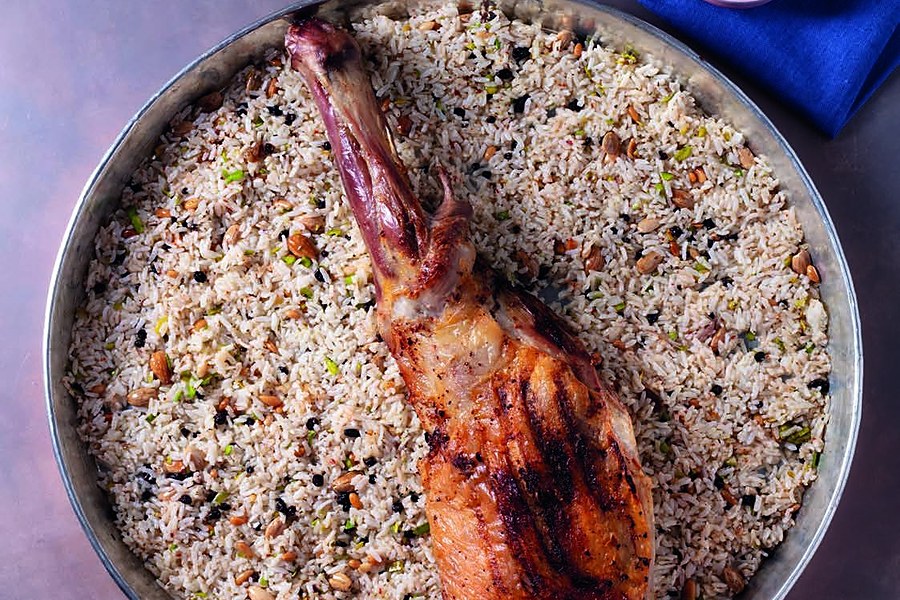
The Great Dishes page of the menu is built around a habit it describes itself. In Ottoman and Turkish culture, large single-piece dishes were cooked in a stone oven, brought out in big pots and eaten together, with the elders of the family seated first and everyone eating from the part of the dish in front of them. Three lamb dishes follow that tradition.
Kuzu Kol (Lamb Shoulder)
Kuzu Kol is a whole lamb shoulder cooked in the tandır and served with iç pilav, a rice pilaf with currants, black pepper and pine nuts. It weighs about two kilograms and is meant for two or three people. The shoulder carries more fat than the leg, which keeps it moist through the long cooking and gives the pilaf a deeper flavour.
Kuzu Kafes (Rack of Lamb)
Kuzu Kafes translates as “lamb cage”, a name taken from the shape of the rib section. It is oven-baked lamb from the ribs, also served with iç pilav, and the menu lists it at 2.7 to 3 kilograms for two people. In practice this is a dish for a table that wants lamb to be the whole meal, with only a salad on the side.
Testi Kebabı
Testi Kebabı is lamb cooked with garlic, shallots, red pepper, fresh thyme and pepper paste inside a sealed clay jug. It is an Anatolian folk dish, most closely associated with Cappadocia, and the menu lists it for two people. A meat-free version is also available, which we covered in our guide to vegetarian Ottoman cuisine.
Lamb from the Grill
Not every lamb dish on the menu is slow-cooked. Two of them come from the grill and suit diners who prefer a firmer bite and a smoky taste.
Ali Nazik
Ali Nazik is cubed lamb cooked in butter and laid over a purée of smoked eggplant and garlic yoghurt. The menu tells the legend behind it: the dish was first prepared for a grand ceremony when Sultan Selim I visited Antep, today’s Gaziantep. Legends like this are hard to prove, but Ali Nazik is without doubt one of the classic dishes of southeastern Turkey, and it is also the lamb course of the Menu of Sultan.
Kuzu Pirzola (Lamb Chops)
The lamb chops come as three pieces, about 300 grams, with grilled vegetables. They are the simplest lamb dish on the menu and a safe choice for anyone trying Ottoman food for the first time or travelling with children.
Which Lamb Dish Should You Order?
The right choice depends on how many people are at the table and how hungry they are. This short guide is based on the 2026 menu:
- Eating alone or as a couple on a first visit: Kuzu İncik or Kuzu Tandır, both single portions.
- You like sweet and sour flavours: Terkib-i Mutancana or the rack of lamb with sour cherry sauce.
- Two or three people with a big appetite: Kuzu Kol, which comes with pilaf and needs only a starter.
- A celebration dinner for two: Kuzu Kafes, the largest lamb dish on the menu.
- You prefer grilled meat: Ali Nazik or the lamb chops.
One practical point: the sharing dishes are filling, so order fewer starters than you think. A fresh plate such as tabbule or the shepherd salad with pomegranate syrup balances the meal better than a second meat starter. If your dinner is planned around one of the large dishes, mention it when you reserve your table at Deraliye so the team knows how many people will share it.
Frequently Asked Questions
What is the difference between lamb and mutton?
Lamb comes from a sheep that is usually younger than one year, while mutton comes from an older animal. Lamb is paler and milder; mutton is darker, firmer and stronger in taste. Ottoman cooks used both, and some Anatolian recipes on the Hittite menu, such as Hattusa Soup, still call for mutton.
Is lamb part of the tasting menu?
Yes, the Menu of Sultan includes Ali Nazik Kebab as one of its main courses, next to Kaz Kebabı made with goose. If you want several palace dishes in one evening, the Ottoman tasting menu lets you try lamb without committing to a large portion.
Can two people order one of the large lamb dishes?
Yes, Kuzu Kafes is listed for two people and Kuzu Kol for two or three. Both are generous, so most couples share one of them without ordering another main course.
What should I drink with lamb?
A dry red wine is the classic match for roasted and stone oven lamb, and the restaurant has a wine list. If you do not drink alcohol, fresh pomegranate juice or a homemade sherbet works well, because their acidity cuts through the fat.
What if someone at the table does not eat lamb?
The palace menu has plenty of alternatives: goose kebab, beef dishes such as Kirde Kebab and Dana Pala, chicken, fish and a full vegetarian section. Everyone orders from the same menu, so a mixed table is easy to manage.
Do the lamb dishes contain common allergens?
Several of them do. The pilafs served with Kuzu Tandır, Kuzu Kol and Kuzu Kafes contain gluten or tree nuts, and most of the dishes are cooked with butter. The menu marks allergens for every dish, and the staff can check ingredients before you order.