

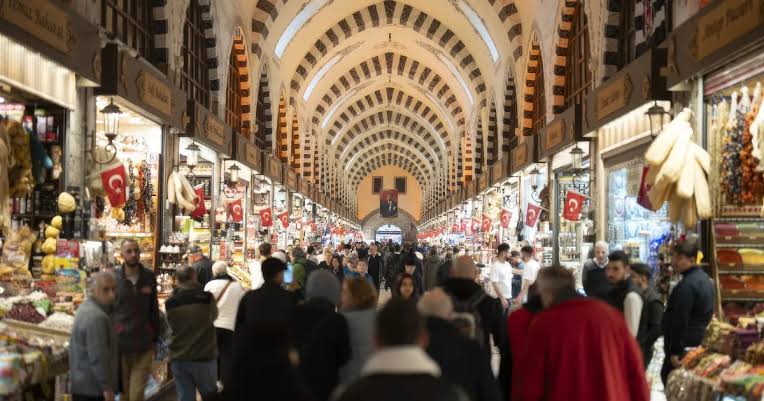
Long before Istanbul had supermarkets or specialty grocers, the city had the Egyptian Spice Bazaar — a covered market so central to daily life that its stalls have barely changed in function since it first opened in the 17th century. For visitors exploring Sultanahmet’s culinary heritage, walking through its arched corridors is as close as you can get to experiencing how the Ottoman capital actually shopped, cooked, and traded.
A Market Built to Fund a Mosque
The bazaar, known locally as Mısır Çarşısı, was completed in 1664 as part of the New Mosque (Yeni Cami) complex, with its rental income originally used to help fund the mosque’s upkeep. Its name — “Egyptian” — comes from its historical role as the arrival point for goods shipped from Egypt, which at the time was a major hub for spices moving along trade routes from India, the Arabian Peninsula, and beyond. This made the bazaar one of the final stops in a much longer journey — spices that had already crossed multiple regions and hands before reaching Istanbul’s merchants.
What the Ottoman Kitchen Relied On
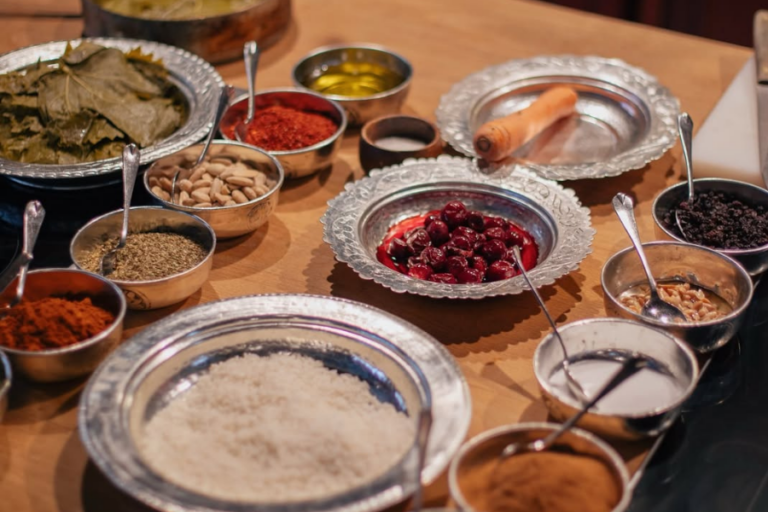
For centuries, the Egyptian Spice Bazaar was where Istanbul’s cooks — whether working in modest households or the imperial kitchens of Topkapı Palace — sourced the ingredients that gave Ottoman cuisine its distinct character. Saffron, sumac, cumin, and dried mint sat alongside cinnamon, cloves, and cardamom, forming the backbone of dishes that balanced sweet, sour, and aromatic flavors in ways still recognizable in Turkish cooking today. The palace’s own relationship with rare and imported spices, and the lengths its kitchens went to source them, is part of a much larger story explored in our piece on what Ottoman sultans ate in Topkapı Palace.
More Than Just Spices
While spices give the bazaar its name, the stalls today sell far more than that. Dried fruits, nuts, Turkish delight, honeycomb, cheese, and herbal teas fill the market alongside the spice stands, and many vendors are happy to let visitors sample before buying. Some of the market’s oldest shops have been run by the same families for generations, and it’s not unusual for a vendor to explain, unprompted, the origin or traditional use of a particular spice blend — a habit that reflects how closely trade and hospitality have always been linked in Istanbul’s markets.
How the Bazaar Shaped a City’s Palate
The bazaar’s influence goes beyond the ingredients themselves. Its centuries of operation helped standardize which spices became staples of everyday Turkish cooking and which remained rare or ceremonial. This slow shaping of taste over generations mirrors the broader story of how Ottoman cuisine developed — a blend shaped as much by trade access as by palace preference, a theme covered in more depth in our article on discovering Ottoman cuisine in Istanbul. Ingredients that were once exclusive to the sultan’s table gradually became available to anyone who could afford a visit to the bazaar, narrowing the gap between palace cooking and everyday Istanbul kitchens over time.
Visiting Today
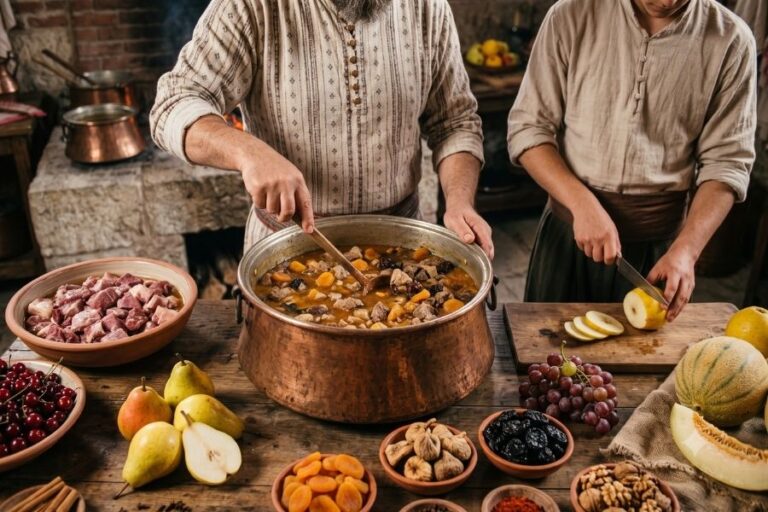
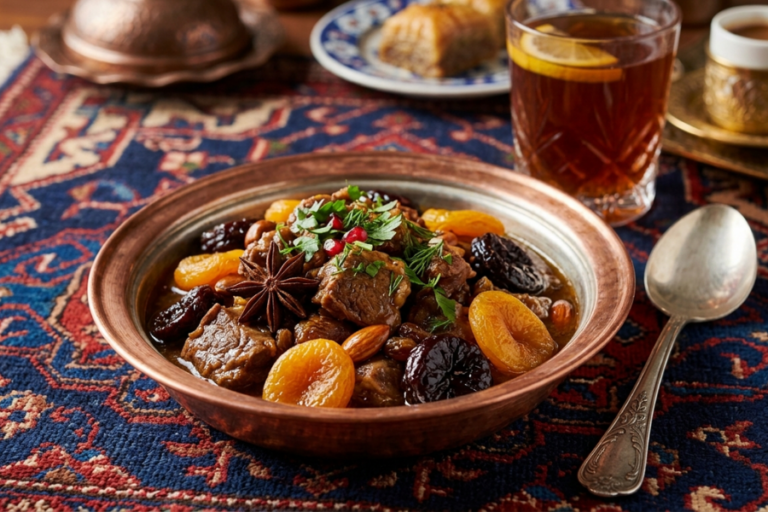
The Egyptian Spice Bazaar remains one of the few places in Istanbul where the sensory experience hasn’t changed much with time — the smell of fresh spices, the visual stacks of color, and the sound of vendors calling out to passersby are much the same as they would have been centuries ago. It sits a short walk from the Golden Horn and connects easily to a day spent exploring Sultanahmet’s other historic sites, making it a natural stop for anyone interested in how food, trade, and history intersect in this part of the city. Understanding the balance of flavors Ottoman cooks were working toward — a philosophy that shaped even how meat dishes were paired with fruit — adds real context to what you’ll find on the bazaar’s shelves, something we go into further in our piece on why Ottoman chefs cooked meat with fruit.
Final Thoughts
The Egyptian Spice Bazaar isn’t just a shopping destination — it’s a working piece of Istanbul’s culinary history, still functioning largely as it did when it first opened. For anyone trying to understand where Ottoman cuisine’s flavors actually came from, walking through its stalls offers a more direct answer than any menu can.