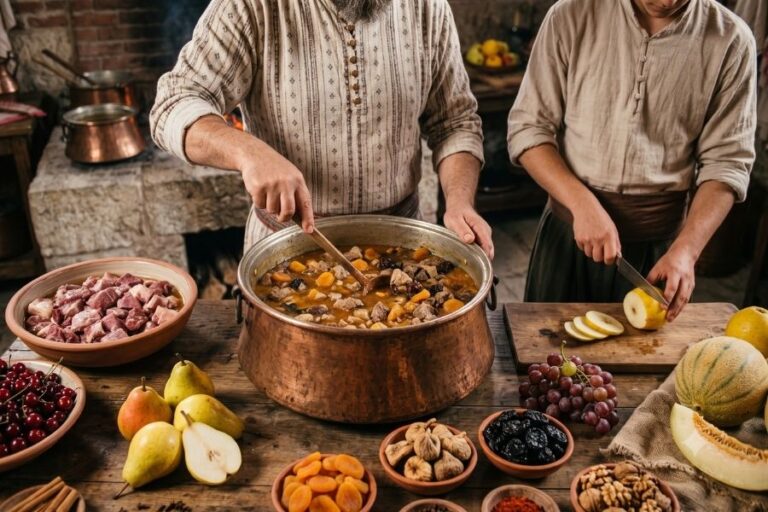


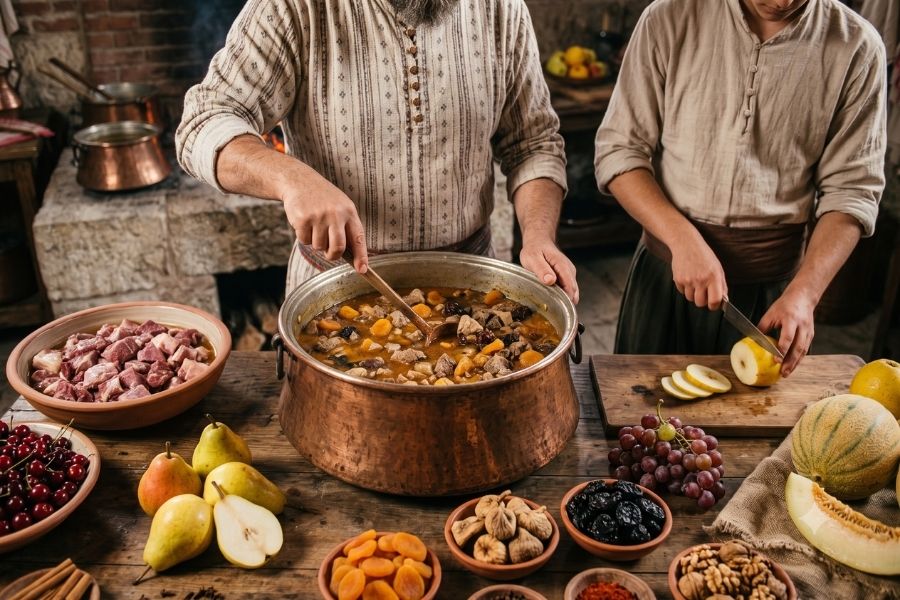
One of the most fascinating characteristics of Ottoman cuisine is the harmonious combination of meat and fruit. While modern diners often associate meat dishes with savory flavors alone, Ottoman palace chefs believed that true culinary excellence came from balancing sweetness, acidity, aroma, and texture. This philosophy shaped some of the empire’s most celebrated recipes and remains one of the defining features of Ottoman palace cuisine.
From lamb slowly braised with apricots to chicken enriched with raisins and almonds, these dishes reflected the sophistication of the imperial kitchens at Topkapı Palace. Today, this extraordinary culinary tradition continues at Deraliye Restaurant in Sultanahmet, where historic palace recipes are carefully recreated under the leadership of Chef Necati Yılmaz.
A Culinary Philosophy Built on Balance
The Ottoman Empire connected Asia, Europe, and the Middle East through trade, culture, and gastronomy. Ingredients that arrived along the Silk Road and the Spice Route transformed palace kitchens into centers of culinary innovation.
Rather than emphasizing a single dominant flavor, Ottoman chefs pursued balance. Every royal dish aimed to combine:
- Sweetness
- Acidity
- Richness
- Aroma
- Texture
This sophisticated approach distinguished Ottoman cuisine from many other culinary traditions of its time.
Fresh and dried fruits became essential ingredients, not because they made dishes sweet, but because they enhanced the natural richness of meats while creating elegant layers of flavor.
Why Were Fruits Added to Meat Dishes?
To modern palates, pairing lamb with apricots or chicken with raisins may seem unusual. However, for Ottoman palace chefs, fruit served several important purposes.
Creating Flavor Harmony
Sweet fruits balanced the richness of lamb, duck, goose, and poultry. The contrast produced a more rounded and refined taste.
Enhancing Aroma
Ingredients such as quince, plums, figs, and pomegranates released delicate aromas during slow cooking, complementing spices like cinnamon, cloves, and allspice.
Improving Texture
Dried fruits softened during long cooking processes, naturally thickening sauces and adding complexity without overwhelming the dish.
Demonstrating Prestige
Many fruits and spices used in palace cuisine were luxury imports. Their presence reflected the wealth and international influence of the Ottoman Empire.
The Influence of the Silk Road and Spice Trade
The Ottoman Empire controlled major trade routes connecting East and West.
As a result, palace kitchens had access to exceptional ingredients, including:
- Dried apricots
- Raisins
- Prunes
- Dates
- Quince
- Pomegranates
- Cinnamon
- Cloves
- Saffron
These ingredients were combined with locally sourced lamb, poultry, rice, butter, and nuts to create dishes that became symbols of imperial elegance.
The result was a cuisine unlike any other in Europe or the Middle East.
Famous Ottoman Dishes That Combine Meat and Fruits
Many of the empire’s most celebrated recipes followed this culinary philosophy. Several of them continue to survive today.
Mutancana
Perhaps the finest example of Ottoman sweet and savory cooking, Mutancana combines tender lamb with:
- Dried apricots
- Prunes
- Raisins
- Honey
- Almonds
- Aromatic spices
The dish was frequently served at palace banquets and remains one of the greatest masterpieces of Ottoman gastronomy.
You can learn more about this remarkable recipe and other historic specialties in our guide to Forgotten Ottoman Dishes You Can Still Taste Today.
Mahmudiye
Prepared with slow-cooked chicken, almonds, raisins, butter, and cinnamon, Mahmudiye demonstrates how delicately Ottoman chefs balanced sweetness and richness.
Named after Sultan Mahmud, the dish remains one of the finest poultry recipes inherited from palace cuisine.
Ayva Dolması
Stuffed quince perfectly illustrates Ottoman creativity.
The natural sweetness of quince contrasts beautifully with seasoned meat, rice, and spices, creating a dish that surprises first-time visitors while remaining faithful to centuries-old culinary traditions.
The Science Behind Ottoman Cooking
Modern gastronomy helps explain why these combinations were so successful.
The natural sugars found in fruits caramelize during slow cooking, creating greater depth of flavor. At the same time, the acidity of certain fruits gently tenderizes meat while balancing its richness.
Ottoman chefs understood these principles centuries before food science could explain them.
Their methods relied not on precise measurements but on generations of culinary knowledge passed down through palace kitchens.
Topkapı Palace: Where Culinary Innovation Flourished
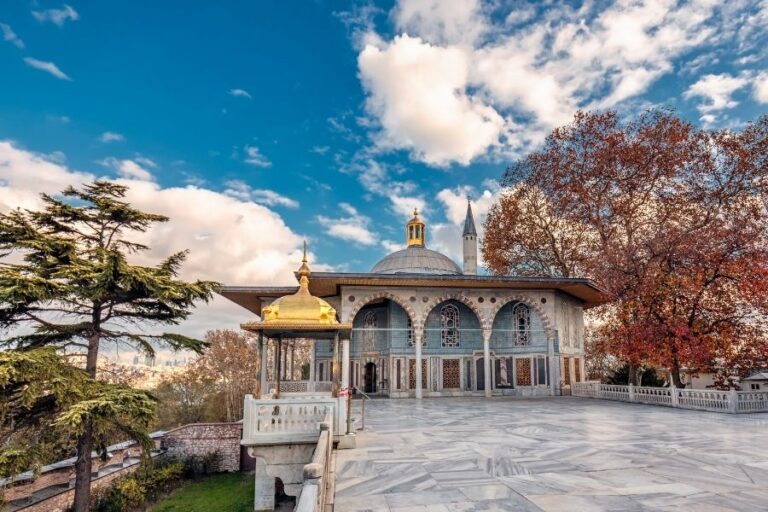
The famous Matbah-ı Amire, the imperial kitchens of Topkapı Palace, became laboratories of culinary excellence.
Hundreds of chefs specialized in different areas of cooking, constantly refining recipes that combined ingredients from every corner of the empire.
If you would like to discover what was actually served to the Ottoman rulers, explore our article: What Did Ottoman Sultans Eat in Topkapı Palace?
The article reveals how these extraordinary dishes became part of daily palace life and ceremonial banquets.
Preserving Ottoman Culinary Heritage at Deraliye Restaurant
Keeping Ottoman cuisine alive requires more than following old recipes. It demands historical research, technical expertise, and respect for tradition.
At Deraliye Restaurant, this philosophy guides every dish served to guests.
Located in the heart of Sultanahmet, Deraliye has become one of Istanbul’s leading destinations for authentic Ottoman cuisine by carefully preserving recipes inspired by palace manuscripts and historical culinary records.
Rather than adapting these dishes to modern expectations, the kitchen strives to remain faithful to the original balance of flavors that defined imperial dining.
Chef Necati Yılmaz: Bringing Palace Recipes Back to Life
One of the driving forces behind Deraliye’s culinary identity is Chef Necati Yılmaz.
Drawing upon years of experience and extensive research into Ottoman gastronomy, Chef Necati Yılmaz recreates recipes that once appeared on the tables of sultans and distinguished palace guests.
His work goes beyond cooking.
It involves understanding:
- Historical ingredients
- Traditional preparation methods
- Ottoman cooking techniques
- Palace presentation styles
- The philosophy of balancing sweet and savory flavors
This dedication allows modern guests to experience dishes remarkably close to those enjoyed centuries ago inside Topkapı Palace.
A Culinary Experience Rooted in History
Dining at Deraliye Restaurant is more than enjoying traditional Turkish cuisine.
It is an opportunity to understand how Ottoman chefs transformed simple ingredients into extraordinary works of culinary art through patience, balance, and creativity.
Whether tasting Mutancana, Mahmudiye, or other palace-inspired specialties, guests discover that the pairing of meat with fruits was never accidental. It was a deliberate expression of the sophistication that made Ottoman cuisine one of the world’s great gastronomic traditions.
For travelers exploring Sultanahmet and anyone passionate about culinary history, Deraliye Restaurant offers a rare opportunity to experience these timeless flavors exactly where the legacy of the Ottoman Empire continues to inspire modern dining.